How double glazing is priced
Double glazing quotes can feel like a black box, but the number is built from a handful of understandable parts. Once you can see what goes into it, judging whether an offer is fair becomes far easier — and no salesperson can baffle you with jargon.
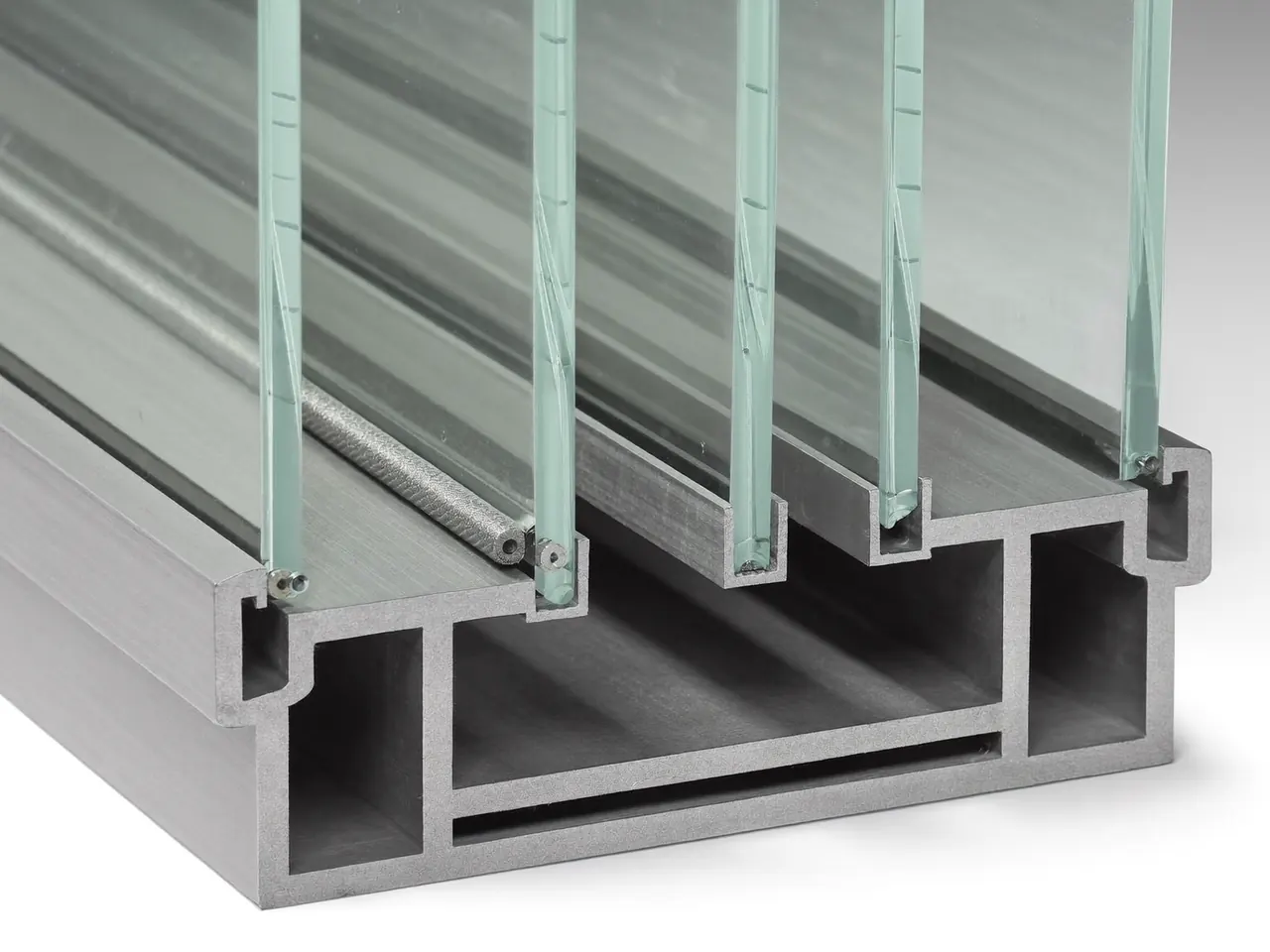
Frames and glass: the base cost
The starting point is the material and the glass. uPVC is usually the most affordable frame, aluminium sits higher for its slim, modern profiles, and timber is typically the dearest because of the material and its upkeep. On top of that sits the sealed unit itself: the energy rating of the glass, whether warm-edge spacers are used, and any acoustic, toughened or obscure options you specify. Together these set the base cost before a single window is fitted.
Size, style and access
A small casement is cheaper to make and install than a large bay or bow window, a sliding sash, or a tilt-and-turn with multiple opening lights. Access matters too: upper-floor windows that need scaffolding, or awkward openings that take longer to fit, add labour. That is why two homes with the "same" number of windows can be quoted quite differently.
See how these factors add up for your home — free, no-obligation quotes.
See today's glazing offers →Fitting, making good and guarantees
A fair price is not just the windows. It includes removing your old units, fitting the new ones properly, making good the reveals inside and out, removing waste, and registering the work for building regulations with a FENSA or CERTASS certificate. It should also include an insurance-backed guarantee that stands behind the work. When a quote looks unusually low, it is often because one of these elements has been trimmed.
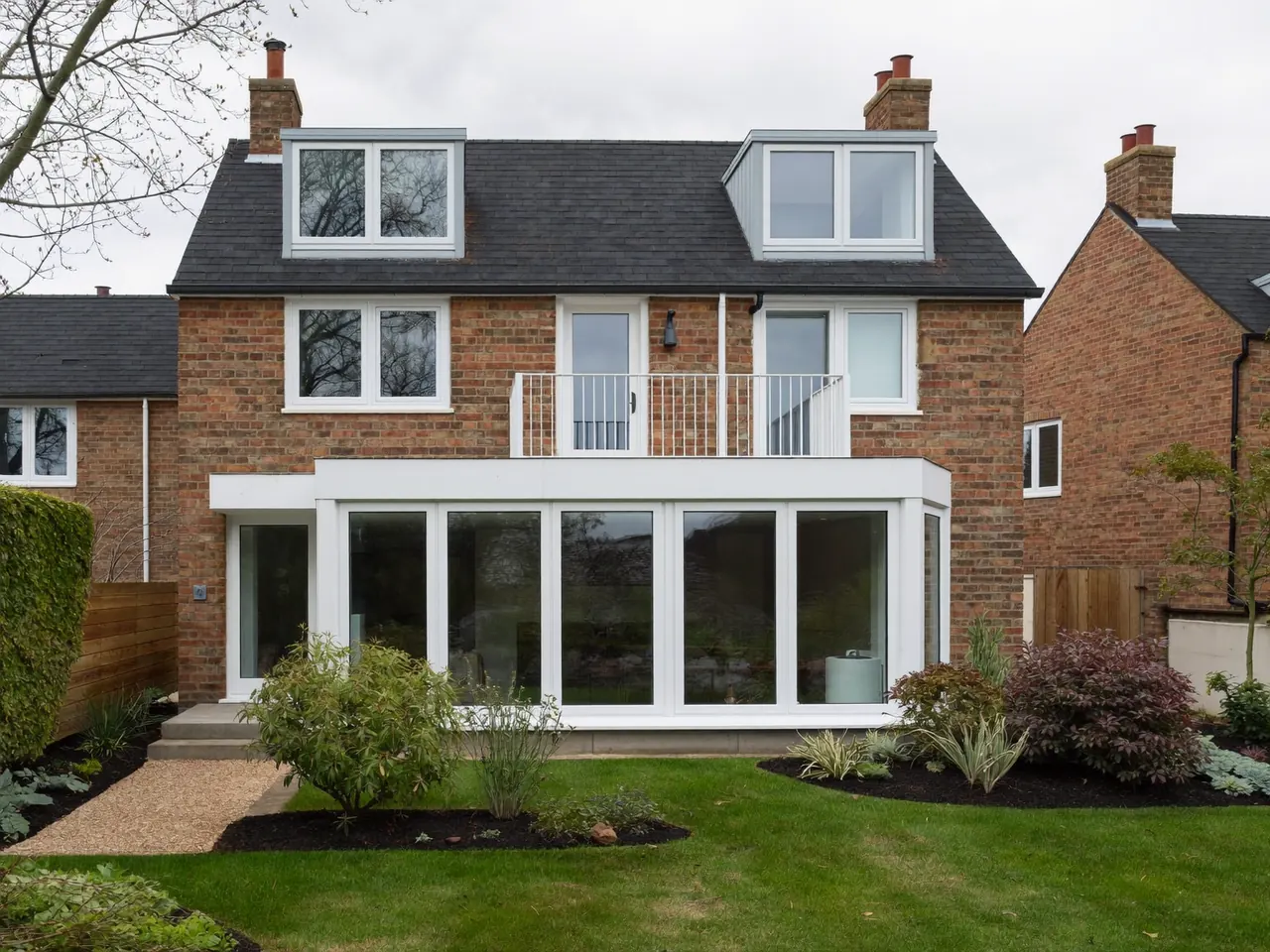
The installer's own costs
Finally, every installer carries overheads — surveyors, fitters, insurance, warranties and premises — and prices to make a reasonable margin. That is legitimate, and it is part of why quotes vary. It also explains why comparing several is so valuable: you are effectively testing which fair-priced installer wants your work most this month, something our timing guide touches on.
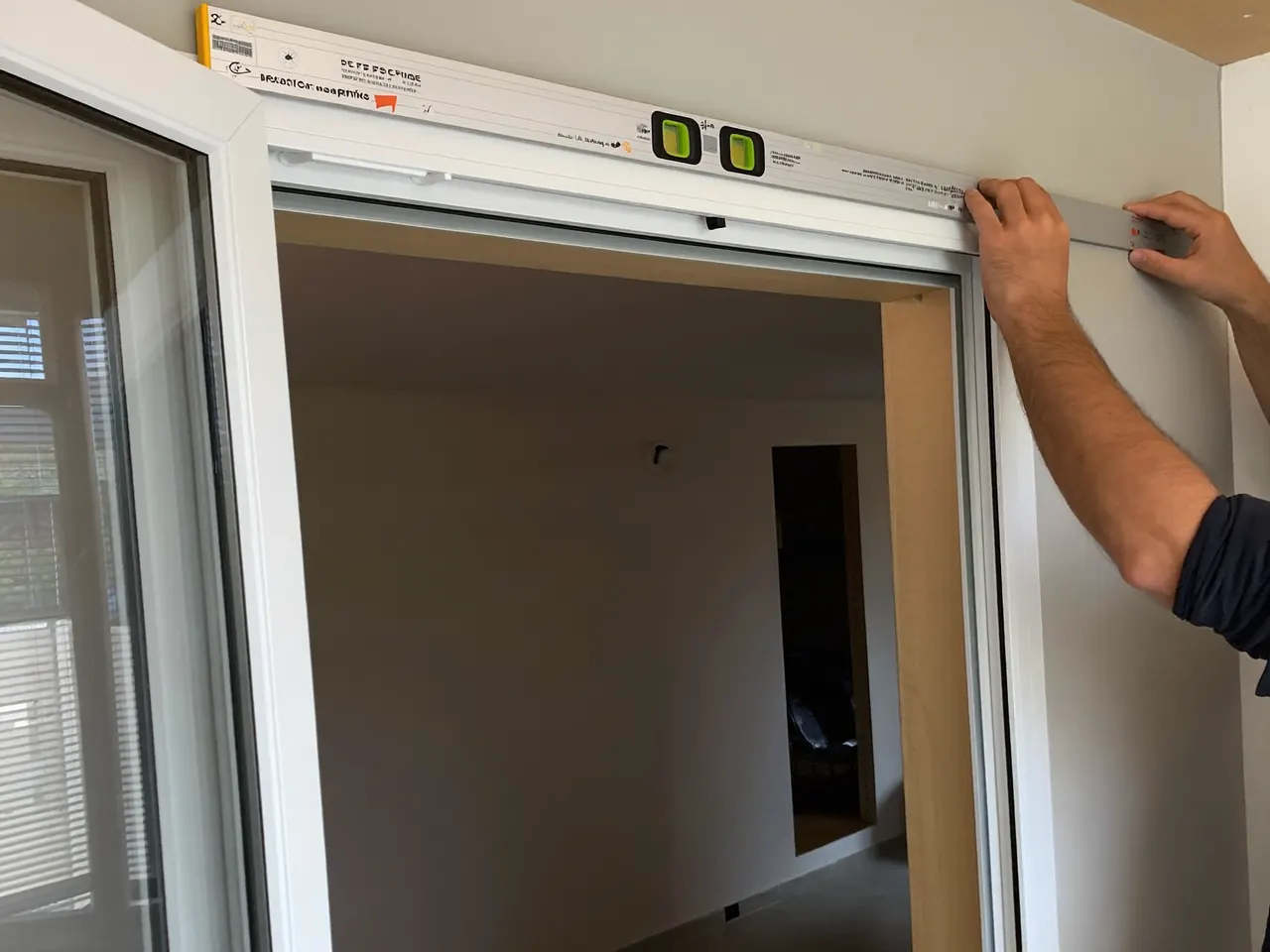
Armed with this breakdown, use our prices guide for typical ranges and our quote checklist to make sure every installer prices the same job. That is how a fair number reveals itself.
Doors, trims and finishing touches
Windows are rarely the whole story. If you add a composite or uPVC front door, replace cills, or ask for coloured frames, decorative glass or integrated blinds, each of these lifts the price in a predictable way. None of them are hidden costs when they are itemised properly — the problem only arises when extras appear late or are bundled into a vague "package". A clear, line-by-line quote lets you see exactly what each finishing touch adds, so you can keep the ones that matter and drop the ones that do not.
Why the same house gets different quotes
Two installers surveying an identical home can still arrive at different numbers, and that is normal. They may specify different product ranges, carry different overheads, or simply have more or less capacity in their diary this month. This is precisely why comparing several quotes is worthwhile: it is not about catching anyone out, but about finding the fair-priced installer who most wants your work right now. Comparing on a like-for-like basis turns that natural variation to your advantage.
Ready to compare fair, itemised quotes? It only takes about a minute.
Get my free quotes →